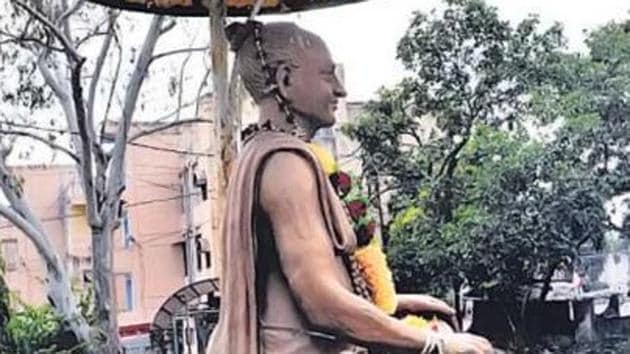

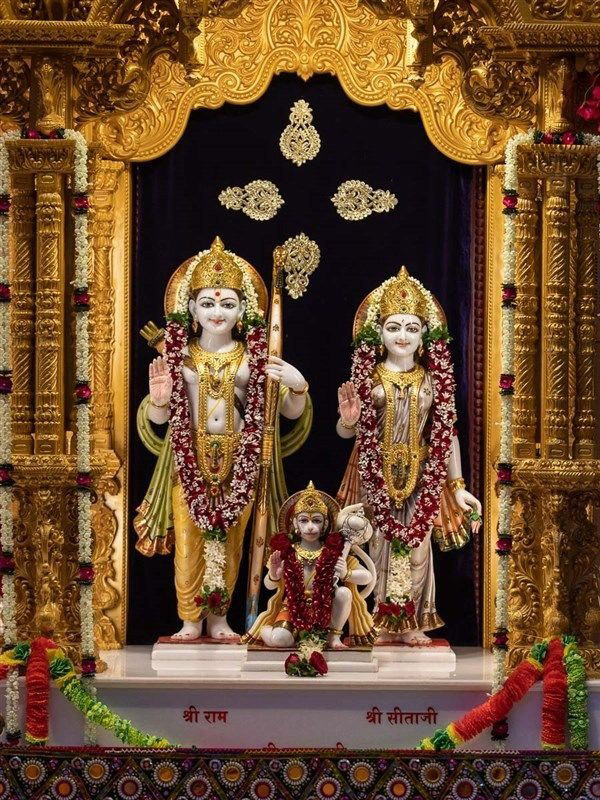
The Sacred Teachings from Bhakti Rasamrita Sindhu by Shri Rupa Goswami
क्षान्तिरव्यर्थकालत्वं विरक्तिर्मानशून्यता।
आशाबन्धः समुत्कण्ठा नामगाने सदा रुचिः॥ (२५)
आसक्तिस्तद्गुणाख्याने प्रीतिस्तद्ठसतिस्थले।
इत्यादयोऽनुभावाः स्युर्जातभावाङ्करे जने ॥ (२६)
– Bhakti Rasamrita Sindhu 1.3.25-26
When a devotee’s heart begins to awaken with genuine divine love, how can we recognize this transformation? Shri Rupa Goswami ji, in his timeless masterwork Bhakti Rasamrita Sindhu (The Ocean of the Nectar of Devotion), offers us profound insight into this question. He describes nine distinctive symptoms (anubhavas) that naturally manifest in those who have reached the stage of bhava bhakti, the preliminary stage of pure love for the Divine.
These verses (1.3.25-26) offer us both a mirror for self-reflection and a roadmap for spiritual development. Each of these nine sacred symptoms reveals something about the journey toward divine love.
1. Kshanti (क्षान्ति) – Forbearance
The first symptom is an extraordinary capacity for patience and tolerance. Even in the face of extreme difficulties and painful circumstances, the devotee maintains inner peace and composure. This isn’t mere suppression of emotions but rather a deep equanimity that comes from complete trust in divine will. When challenges arise, rather than becoming agitated or disturbed, the devotee remains steady, knowing that everything is orchestrated for their spiritual benefit.
2. Avyartha-kalatvam (अव्यर्थ-कालत्वं) – Effective Use of Time
Every moment becomes precious. The devotee naturally feels that time not spent in remembrance or service of Shri Bhagwan is time wasted. This doesn’t mean becoming rigid or anxious about time, but rather developing a consciousness where divine connection infuses all activities. Whether working, resting, or engaging in daily tasks, the devotee maintains awareness of the Divine presence.
3. Virakti (विरक्ति) – Detachment
A spontaneous sense of detachment from worldly attachments begins to emerge. This isn’t forced renunciation or artificial rejection of the world, but a natural shift in taste. Material pleasures that once seemed compelling now feel empty in comparison to the sweetness of divine connection. The devotee experiences a subtle but profound inner freedom.
4. Mana-shunyata (मान-शून्यता) – Absence of Pride
The ego naturally begins to dissolve. False pride and the desire to receive honor or recognition from others fade away. The devotee becomes genuinely humble, not as a practiced behavior but as a natural state of consciousness. There’s no longer a need to defend one’s position or prove one’s worth; true worth is found only in divine service.
5. Asha-bandha (आशा-बन्धः) – Steadfast Hope
Despite any obstacles or apparent delays, the devotee maintains unwavering confidence that divine grace will be received. This hope isn’t blind optimism but a deep conviction rooted in understanding the infinite compassion of the Divine. Even when progress seems slow or circumstances appear unfavorable, this inner certainty remains unshaken.
6. Samutkanth (समुत्कण्ठा) – Intense Longing
A powerful yearning to attain the ultimate goal of divine love arises in the heart. This longing becomes the driving force of the devotee’s life, not a desperate craving but a sweet, intense desire that motivates every action. The separation from the Divine becomes increasingly unbearable, yet this very pain is also experienced as nectar.
7. Nama-gane Sada Ruchi (नाम-गाने सदा रुचिः) – Constant Taste for Chanting
The holy names become the devotee’s constant companion and greatest joy. There develops a natural, spontaneous attraction to chanting and singing the divine names. This isn’t mechanical repetition but a living relationship where each utterance of the name brings fresh delight. The names of the Bhagwan become sweeter than any worldly pleasure.
8. Asakti Tad-gunakhyane (आसक्तिस् तद्-गुणाख्याने) – Attachment to Hearing God’s Qualities
A deep attachment develops for hearing and speaking about the transcendental qualities, pastimes, and glories of the Divine. Stories of Hari’s activities become like food for the soul. The devotee can listen to these narrations endlessly without satiation, and naturally seeks opportunities to discuss and meditate upon these sacred topics.
9. Priti Tad-vasati-sthale (प्रीतिस् तद्-वसति-स्थले) – Affection for Shri Bhagwans’s Dwelling Places
A special love and reverence emerge for the places where Shri Bhagwan performed His pastimes, particularly Vrindavan, Mathura, Chitrakoot, and other sacred sites. Even hearing the names of these places stirs the devotee’s heart. There’s a longing to visit, serve, and dwell in these holy locations, recognizing them as non-different from Krishna and Ram Himself.
These nine symptoms don’t appear through our own effort alone, but manifest naturally when bhava, the sprout of divine love, begins to emerge in the heart. They are called anubhavas (consequences or symptoms) because they are the natural expressions of an inner transformation that has already begun.
Bhava bhakti represents a crucial threshold in spiritual life. It’s the stage where devotion transcends mere practice and becomes our very nature. The external practices of devotion (sadhana bhakti) have done their work, and now something spontaneous and self-sustaining is awakening within.
As we study these symptoms, they serve multiple purposes in our spiritual journey:
Self-Assessment: We can honestly reflect on whether these qualities are manifesting in our own practice. Not as a checklist to create anxiety, but as signposts showing us the direction of growth.
Aspiration: Even if we haven’t reached bhava bhakti, understanding these symptoms helps us know what to aspire for and pray to develop.
Encouragement: Recognizing even small glimpses of these symptoms in our experience can encourage us that we’re moving in the right direction.
Cultivation: While these symptoms arise naturally at the bhava stage, we can cultivate their seeds even in our current practice through conscious effort and prayer.
Shri Rupa Goswami’s description of these nine symptoms offers us a profound insight into the transformation that occurs when divine love begins to awaken. These aren’t arbitrary markers but the natural flowering of a heart that has been touched by grace.
The journey to bhava bhakti requires patience, sincerity, and perseverance. Yet by understanding these symptoms, we gain clarity about the destination and can align our practice accordingly. Each symptom reflects a different facet of the same transformation, the gradual shift from self-centeredness to divine-centeredness, from worldly attachment to transcendental love.
हरि : शरणम्