
Narada Bhakti Sutra 82 is a deep verse that unveils the beautiful diversity of devotional love. The great sage Narada reveals that while devotion (bhakti) is one in essence, it manifests in eleven distinct forms, each representing a unique way the devotee relates to the Divine. This sutra acknowledges that different temperaments and hearts are drawn to God in different ways, and each path is equally valid and powerful.
The Sanskrit Verse
गुणमाहात्म्यासक्ति रूपासक्ति पूजासक्ति स्मरणासक्ति दास्यासक्ति सख्यासक्ति कान्तासक्ति वात्सल्यासक्ति आत्मनिवेदनासक्ति तन्मयतासक्ति परमविरहासक्ति रूपा एकधा अपि एकादशधा भवति॥ ८२॥
“Though devotion is one, it manifests in eleven forms: attachment to the Divine’s glories, attachment to His form, attachment to worship, attachment to remembrance, attachment as a servant, attachment as a friend, attachment as a lover, attachment as a parent, attachment through self-surrender, attachment through complete absorption, and attachment through the pain of separation.”
The Eleven Forms of Bhakti
1. Gunamahatmyasakti (Devotion to Divine Qualities)
This is devotion that arises from contemplating and being attracted to the Supreme’s glorious attributes, His infinite compassion, wisdom, power, and perfection. The devotee is drawn to God’s greatness and meditates constantly on divine virtues. This form appeals to those with a philosophical or contemplative nature who find joy in understanding and celebrating the magnificence of the Divine.
2. Rupasakti (Devotion to Divine Form)
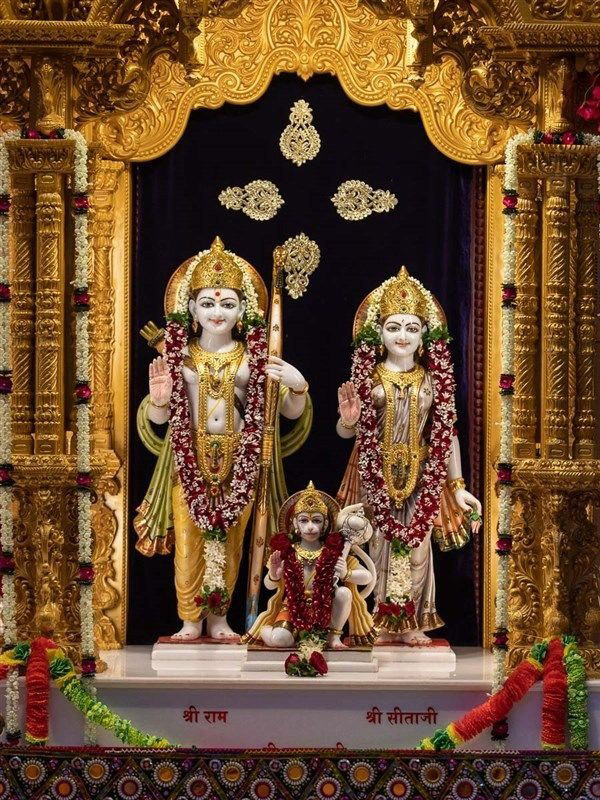
Here, the devotee is captivated by the beautiful form of the Lord, whether Krishna with His flute, Rama with His bow, or any manifestation of divinity that speaks to the heart. Visual meditation, gazing at sacred images, and imagining the Lord’s enchanting appearance become the primary practice. This path suits those with strong visual imagination and aesthetic sensibility.
3. Pujasakti (Devotion through Worship)
This devotion expresses itself through ritualistic worship, offering flowers, incense, food, and other sacred items to the deity. The devotee finds a profound connection through ceremonial acts of service, maintaining altars, performing aarti, and engaging in formal worship practices. This appeals to those who find meaning in structure, ritual, and tangible expressions of love.
4. Smaranasakti (Devotion through Constant Remembrance)
The practice of continuously remembering God in every moment of life characterizes this form. Whether working, eating, or resting, the devotee keeps the Divine name or form alive in consciousness. This is the path of mindfulness applied to devotion, suitable for those who can integrate spirituality into every aspect of daily life.
5. Dasyasakti (Devotion as a Servant)
In this relationship, the devotee sees themselves as the humble servant of the Lord. Hanuman ji exemplifies this form perfectly, finding supreme joy in serving Shri Ram with complete dedication and considering oneself the instrument of divine will. This appeals to those who find fulfillment in selfless service and the surrender of ego.
6. Sakhyasakti (Devotion as a Friend)
Here, the devotee relates to God as an intimate companion and equal friend. Arjuna’s relationship with Krishna beautifully demonstrates this, sharing joys, sorrows, and confidences without formality or distance. This path suits those who seek intimacy and companionship with the Divine, viewing God as their closest confidant.
7. Kantasakti (Devotion as a Lover)
This is the passionate devotion of the beloved for the lover, exemplified by Shri Radha’s love for Shri Krishna or the Gopis’ ecstatic devotion. The relationship is characterized by intense longing, sweet surrender, and the desire for complete union. This form appeals to those with romantic and passionate temperaments who can channel that intensity toward the Divine.
8. Vatsalyasakti (Devotion as a Parent)
In this beautiful reversal, the devotee relates to God as a parent relates to a beloved child. Yashoda’s love for baby Krishna embodies this, filled with tender affection, protective care, and the joy of nurturing. This path resonates with those who have strong nurturing instincts and find joy in caring for the Divine as if He were their own child.
9. Atmanivedanasakti (Devotion through Complete Self-Surrender)
This is the total offering of oneself to God, surrendering body, mind, possessions, and will entirely to the Divine. There is no holding back, no reservation. The devotee says, “I am Yours completely; do with me as You will.” This suits those ready for complete abandonment to divine will.
10. Tanmayatasakti (Devotion through Total Absorption)
This represents becoming so absorbed in God-consciousness that the distinction between devotee and Divine begins to dissolve. The devotee lives, breathes, and exists only in thoughts of God, achieving a state of constant union. This is for those who have progressed deeply on the spiritual path and experience continuous divine intoxication.
11. Paramavirahasakti (Devotion through Supreme Separation)
Perhaps the most intense form, this is the anguish and ecstasy of feeling separated from the Beloved. The pain of divine separation becomes so sweet that it itself becomes a form of union. The Gopis’ viraha (separation) from Krishna and the mystic saints’ dark nights of the soul represent this profound state. This suits those with deep emotional capacity who can transform longing into a spiritual practice.
The Unity in Diversity
The profound teaching of this sutra is that devotion, though essentially one, accommodates every temperament and personality. There is no single “correct” way to love God. Whether you’re drawn to philosophy or ritual, service or friendship, passionate love or nurturing care, 968your natural inclination is valid and can lead you to the Supreme.
Understanding these eleven forms helps you:
- Identify your natural devotional temperament rather than forcing yourself into practices that don’t resonate
- Appreciate other devotees’ paths without judgment, recognizing that their relationship with the Divine may take a different form than yours
- Explore different forms at different life stages as your relationship with the Divine naturally evolves
- Deepen your practice by understanding which form of bhakti speaks most powerfully to your heart
Narada ji’s wisdom in this sutra liberates one from rigid spirituality. It celebrates the beautiful truth that the Infinite Divine can be approached through infinite pathways, each one complete and perfect in itself. Your unique way of loving God, whether through tears of separation, laughter of friendship, or silent service, is your sacred gift to the Divine and the Divine’s holy gift to you.
The question is not “Which form is highest?” but rather “Which form awakens the deepest love in my heart?” When you find that form and pursue it with sincerity, you will find that all eleven forms are contained within it, for love, when complete, contains all expressions of itself.