
A Story of Love, Devotion, and the Wisdom That Transforms Suffering
The News That Changed Everything
सुद्ध सच्चिदानंदमय कंद भानुकुल केतु। चरित करत नर अनुहरत संसृति सागर सेतु॥87॥
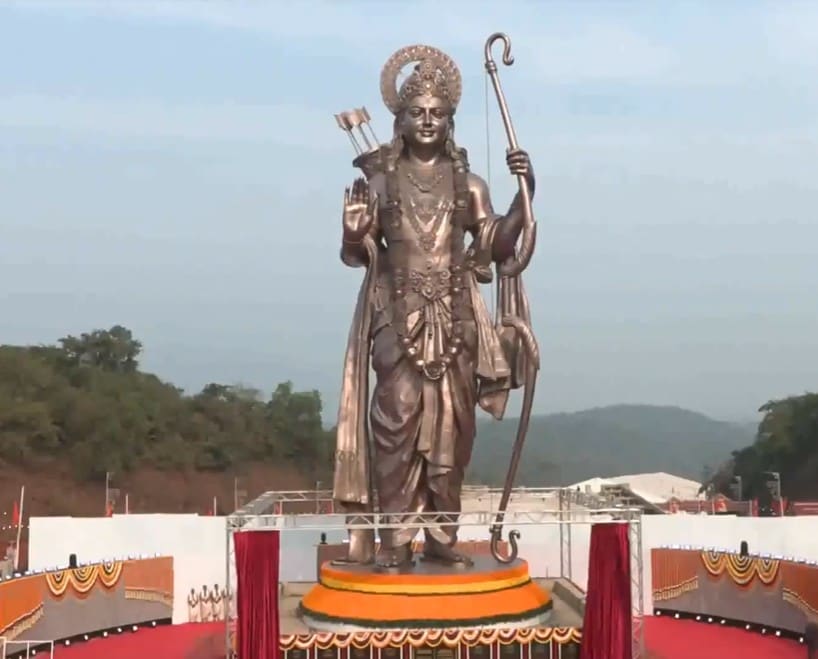
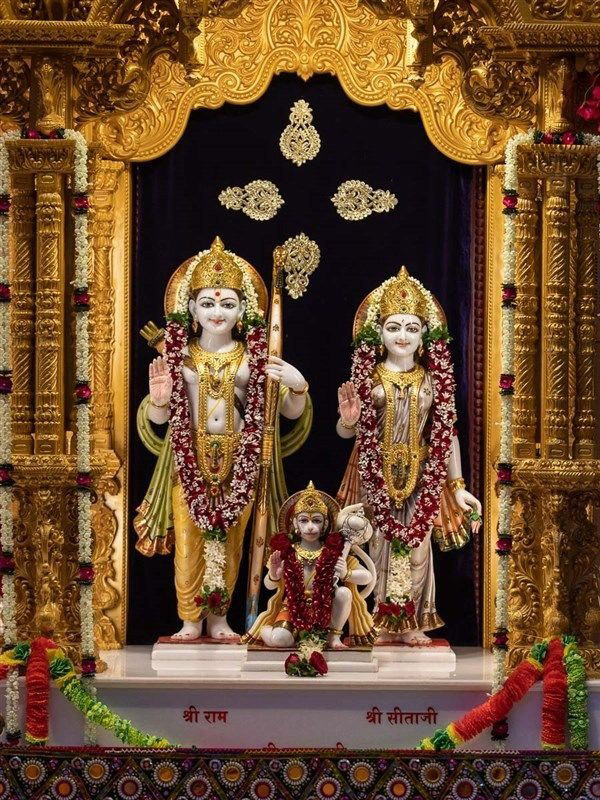
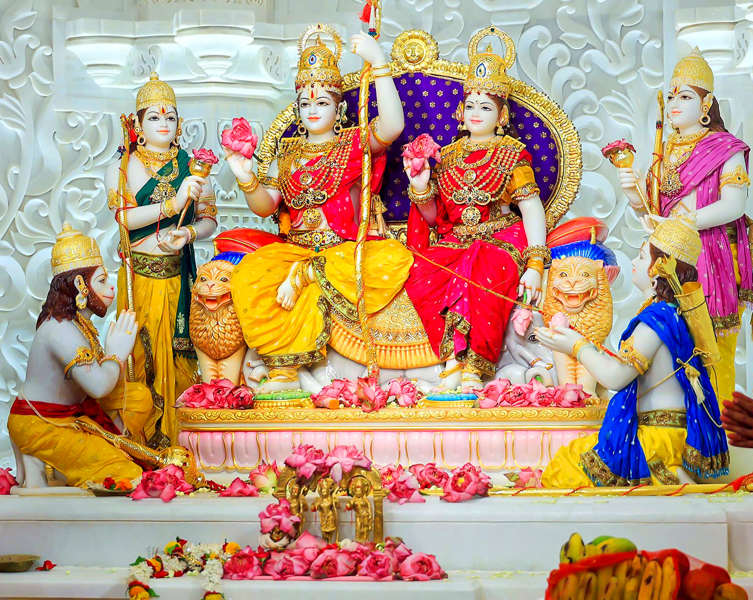
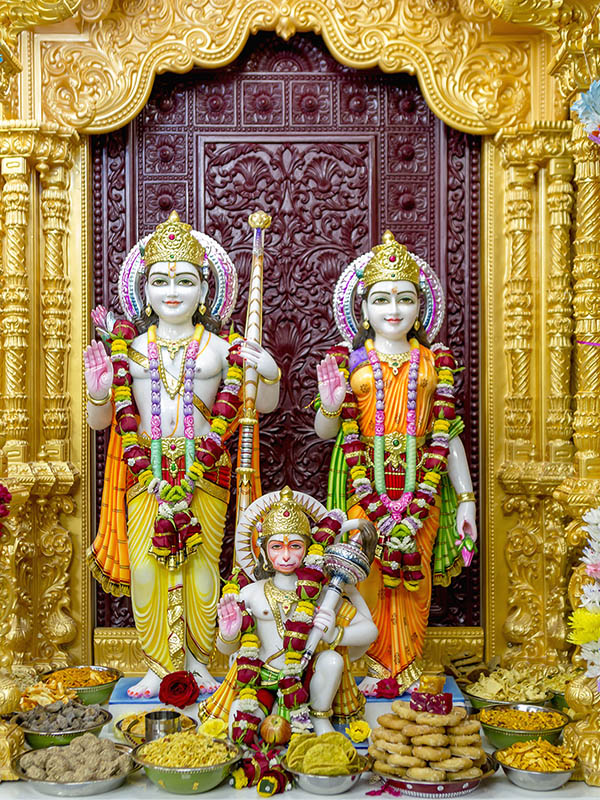
The Lord of the Universe, the one who embodies pure consciousness and bliss, was walking through the forest like an ordinary man. Yet every step He took was building a bridge, a bridge for souls to cross the turbulent ocean of worldly suffering.
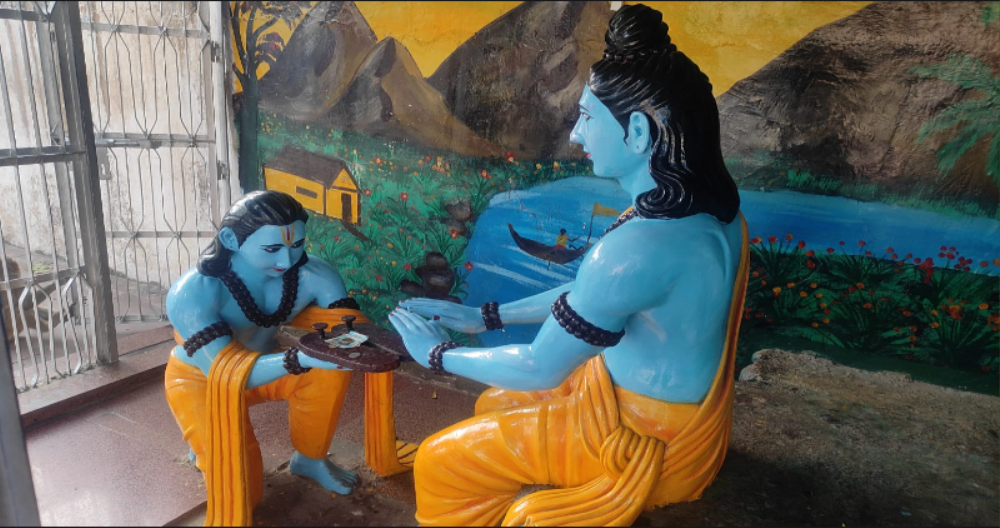
When word reached Guh, the chief of the Nishad tribe, that Shri Ram had arrived near Shringverpur, something extraordinary happened. This wasn’t just news; it was as if every prayer he’d ever whispered had suddenly taken form and was walking toward his village.
Love Needs No Invitation
यह सुधि गुहँ निषाद जब पाई। मुदित लिए प्रिय बंधु बोलाई॥ लिए फल मूल भेंट भरि भारा। मिलन चलेउ हियँ हरषु अपारा॥1॥
Imagine Guh’s joy, the kind that makes your hands tremble as you gather the best of what you have. He called his brothers and friends, his heart so full it might burst. They filled baskets with fruits and roots and offered them with love.
This is what devotion looks like. It doesn’t wait for a formal invitation. It doesn’t worry about being “worthy enough.” It simply runs toward the beloved with whatever it has.
When Guh finally stood before Ram, he bowed down completely. Then, he simply stared, overwhelmed by love, as if he’d been waiting his whole life just for that sight.
करि दंडवत भेंट धरि आगें। प्रभुहि बिलोकत अति अनुरागें॥ सहज सनेह बिबस रघुराई। पूँछी कुसल निकट बैठाई॥2॥
Ram, moved by this simple, pure love, did something beautiful. He asked Guh to sit beside Him. Not at His feet, not at a distance—beside Him. Because that’s what love does. It erases the distance we imagine exists between the divine and ourselves.
“Everything I Have Is Already Yours”
नाथ कुसल पद पंकज देखें। भयउँ भागभाजन जन लेखें॥ देव धरनि धनु धामु तुम्हारा। मैं जनु नीचु सहित परिवारा॥3॥
“My Lord,” Guh said, his voice thick with emotion, “just seeing Your feet has made me one of the fortunate ones. This land, this wealth, this home, they were always Yours. My family and I are simply Your servants.”
Isn’t this the truth we often forget? Everything we clutch so tightly, our homes, our achievements, our relationships, they’re all borrowed. We’re just temporary caretakers, playing at ownership.
Guh understood this deeply. He begged Shri Ram to honor his home with His presence, to let the whole village witness his good fortune. But Ram gently explained:
दोहा:
बरष चारिदस बासु बन मुनि ब्रत बेषु अहारु। ग्राम बासु नहिं उचित सुनि गुहहि भयउ दुखु भारु॥88॥
“My friend, your words come from a heart full of love. But I’m bound by my father’s command, fourteen years in the forest, living as an ascetic, eating simple food. I cannot stay in the village.”
The words fell heavy on Guh’s heart. Sometimes love means accepting what we cannot change.
When Villagers Become Philosophers
राम लखन सिय रूप निहारी। कहहिं सप्रेम ग्राम नर नारी॥ ते पितु मातु कहह सखि कैसे। जिन्ह पठए बन बालक ऐसे॥1॥
As Ram, Sita, and Lakshman walked through the village, people stopped and stared. Women whispered to each other, “Tell me, sister, what kind of parents send such tender, beautiful children into the harsh forest?”
Others countered, “Perhaps the King did us a favor. How else would our ordinary eyes have been blessed with such a divine sight?”
Don’t we do the same? When crisis strikes, we question God’s plan. Yet sometimes, the very thing that breaks our heart is what opens it.
Guh found a beautiful Ashoka tree and prepared a resting place. He spread soft kusha grass and tender leaves, arranged fresh fruits and pure water with his own hands. It was simple, but it was offered with everything he had.
सिय सुमंत्र भ्राता सहित कंद मूल फल खाइ। सयन कीन्ह रघुबंसमनि पाय पलोटत भाइ॥89॥
After their simple meal of roots and fruits, Shri Ram lay down to rest. Lakshman sat beside Him, gently massaging His feet, those feet that once walked on unmatched comfort now resting on grass and earth.
The Vigil of Love
उठे लखनु प्रभु सोवत जानी। कहि सचिवहि सोवन मृदु बानी॥ कछुक दूरि सजि बान सरासन। जागन लगे बैठि बीरासन॥1॥
Once Lord Ram fell asleep, Lakshman rose quietly. He told Sumantra to rest, then took his position as guardian, bow and arrows ready, eyes alert.
Guh posted his most trusted men at strategic points and came to sit beside Lakshman, his own bow drawn, ready to face any danger together.
A Heart Too Full to Stay Silent
सोवत प्रभुहि निहारि निषादू। भयउ प्रेम बस हृदयँ बिषादू॥ तनु पुलकित जलु लोचन बहई। बचन सप्रेम लखन सन कहई॥3॥
Looking at Ram sleeping on the ground, Guh couldn’t hold back his tears. His body trembled. His heart ached with a pain that only deep love knows, the pain of seeing your beloved suffer.
He turned to Lakshman and began to speak, his voice breaking:
“The palace of King Dashrath is so magnificent that even Indra’s heavenly abode cannot match it. There are chambers adorned with precious gems, as if Kamdev himself had decorated them…”
सुचि सुबिचित्र सुभोगमय सुमन सुगंध सुबास। पलँग मंजु मनि दीप जहँ सब बिधि सकल सुपास॥90॥
“…Pure, wondrous rooms filled with luxury, fragrant with flowers, lit by gem-studded lamps, with beds softer than milk foam. That’s where Ram and Sita used to rest, their beauty putting even the gods of love to shame.”
ते सिय रामु साथरीं सोए। श्रमित बसन बिनु जाहिं न जोए॥
“And now… now they sleep on grass, exhausted, barely clothed. Can you imagine the anguish of their parents, their friends, their servants who loved them like their own breath?”
सिय रघुबीर कि कानन जोगू। करम प्रधान सत्य कह लोगू॥4॥
“Are Sita and Ram meant for the forest? People are right when they say fate is supreme.”
कैकयनंदिनि मंदमंदति कठिन कुटिलपन कीन्ह। जेहिं रघुनंदन जानकिहि सुख अवसर दुखु दीन्ह॥91॥
“That foolish Kaikeyi became an axe to the great tree of the Solar dynasty. Her wicked mind has plunged the entire world into grief.”
The Teaching That Transforms Everything
Have you ever noticed how sometimes the deepest wisdom comes not from books, but from moments of pain? As Guh’s tears flowed, Lakshman spoke, and his words carried the power to transform suffering into understanding.
बोले लखन मधुर मृदु बानी। ग्यान बिराग भगति रस सानी॥ काहु न कोउ सुख दुख कर दाता। निज कृत करम भोग सबु भ्राता॥2॥
“Brother,” Lakshman said gently, his voice infused with knowledge, detachment, and devotion, “no one else gives us joy or sorrow. We all experience the fruits of our own actions.”
Think about this for a moment. How much of our suffering comes from blaming others? From feeling victimized by circumstances? Lakshman was offering a radical shift in perspective.
जोग बियोग भोग भल मंदा। हित अनहित मध्यम भ्रम फंदा॥ जनमु मरनु जहँ लगि जग जालू। संपति बिपति करमु अरु कालू॥3॥
“Union and separation, pleasure and pain, friend and foe, these are all traps of illusion. Birth and death, gain and loss, karma and time, everything we see, hear, or think about…”
देखिअ सुनिअ गुनिअ मन माहीं। मोह मूल परमारथु नाहीं॥4॥
“…all of it has ignorance as its root. From the ultimate perspective, none of it is truly real.”
The Dream Analogy
सपनें होइ भिखारि नृपु रंकु नाकपति होइ। जागें लाभु न हानि कछु तिमि प्रपंच जियँ जोइ॥92॥
“Imagine,” Lakshman continued, “a king who becomes a beggar in his dream, or a pauper who rules heaven in his sleep. When they wake up, has anything actually changed? The king didn’t lose his kingdom. The pauper didn’t gain heaven. That’s how we should view this entire material world.”
This isn’t cold philosophy, it’s liberating wisdom. It doesn’t mean we stop caring. It means we stop being destroyed by circumstances.
अस बिचारि नहिं कीजिअ रोसू। काहुहि बादि न देइअ दोसू॥ मोह निसाँ सबु सोवनिहारा। देखिअ सपन अनेक प्रकारा॥1॥
“Understanding this, don’t give in to anger. Don’t waste energy blaming others. Everyone is asleep in the night of delusion, seeing countless dreams they mistake for reality.”
Who Is Truly Awake?
एहिं जग जामिनि जागहिं जोगी। परमारथी प्रपंच बियोगी॥ जानिअ तबहिं जीव जग जागा। जब सब बिषय बिलास बिरागा॥2॥
“In this night of worldly existence, only the yogis remain awake, those who seek the ultimate truth and have freed themselves from material entanglement. A person is truly awake when they’ve become detached from all worldly pleasures.”
This doesn’t mean we can’t enjoy life. It means we don’t let enjoyment or suffering define us.
होइ बिबेकु मोह भ्रम भागा। तब रघुनाथ चरन अनुरागा॥ सखा परम परमारथु एहू। मन क्रम बचन राम पद नेहू॥3॥
“When true discrimination arises, the delusion of attachment vanishes. Then, love for Ram’s feet naturally awakens. Friend, this is the highest goal, to love Ram’s feet with your thoughts, words, and actions.”
The Ultimate Truth
राम ब्रह्म परमारथ रूपा। अबिगत अलख अनादि अनूपा॥ सकल बिकार रहित गतभेदा। कहि नित नेति निरूपहिं बेदा॥4॥
“Ram is Brahman, the Supreme Reality. The mind cannot comprehend him, cannot be seen with ordinary eyes, has no beginning, no comparison. He is free from all imperfections, beyond all dualities. Even the Vedas can only describe Him by saying ‘not this, not this’ because He transcends all descriptions.”
भगत भूमि भूसुर सुरभि सुर हित लागि कृपाल। करत चरित धरि मनुज तनु सुनत मिटहिं जग जाल॥93॥
“This same compassionate Lord takes human form for the sake of His devotees, the Earth, the wise, the innocent, and all who serve goodness. His divine play, when heard with faith, cuts through all the nets that trap us in suffering.”
What This Means
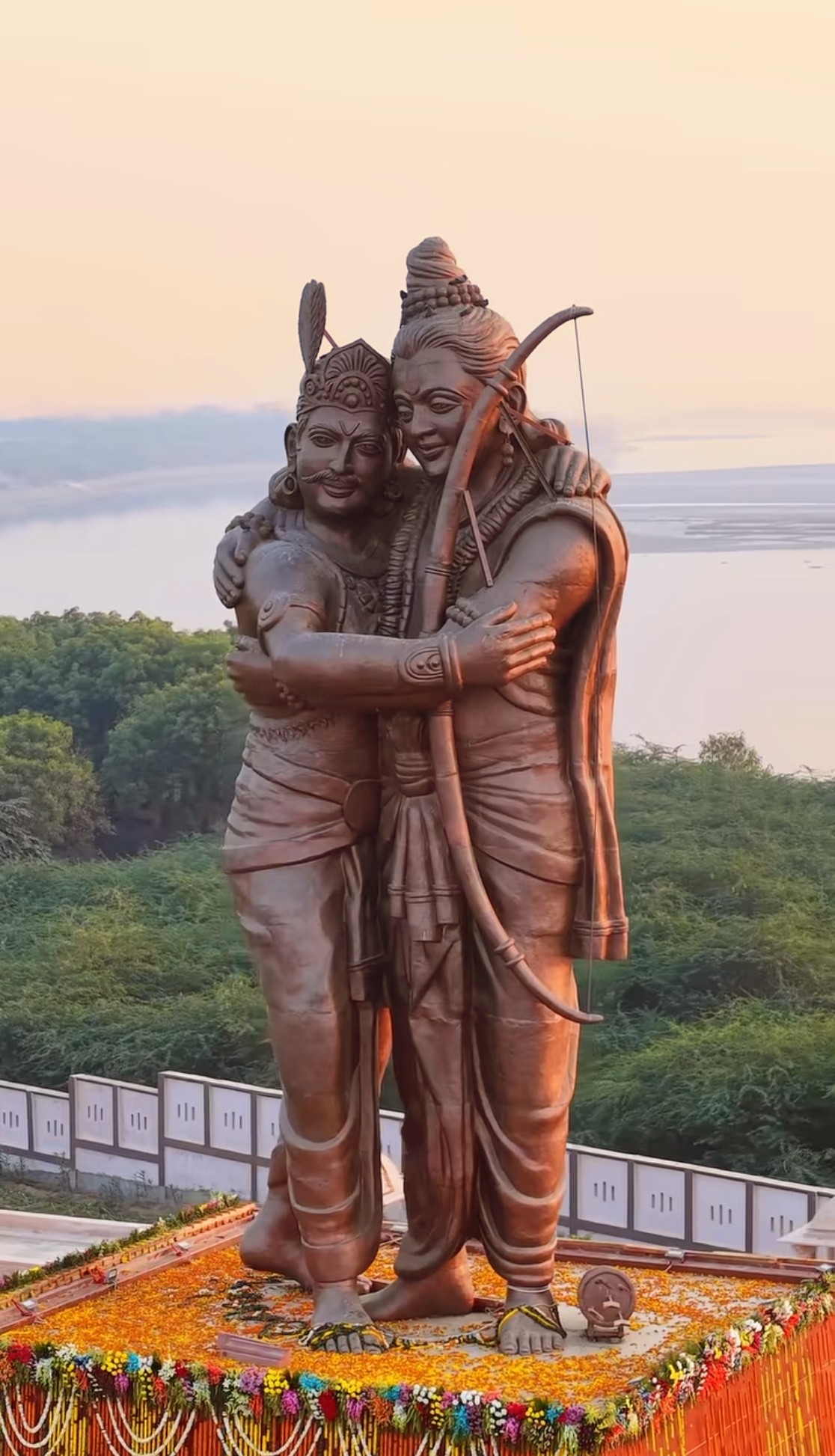
As night deepened at Shringverpur, two men sat guard, a prince and a tribal chief, united in love, vigilant in service. Nearby, God slept on the grass.
This scene teaches us something profound:
True devotion doesn’t require perfection; it requires presence. Guh wasn’t a scholar or a king. He was a simple man with a huge heart who offered what he had.
Suffering isn’t punishment; it’s often the doorway to awakening. Ram’s exile caused pain, but it also created opportunities for ordinary people to encounter the divine.
The divine doesn’t need our luxury; it needs our love. Ram refused the palace but accepted the grass bed offered with devotion.
Wisdom doesn’t deny pain; it transforms our relationship with it. Lakshman didn’t tell Guh to stop feeling. He gave him a framework to understand his feelings differently.
The highest truth is also the most practical. This isn’t abstract philosophy; it’s a way of living that brings peace in any circumstance.
Questions
When life lays you down on grass instead of silk, do you see only the discomfort? Or can you recognize that sometimes God meets us not in palaces, but in moments of surrender?
When someone you love suffers, do you only rail against fate? Or can you hold space for both grief and wisdom, both feeling and perspective?
The bridge Ram builds across the ocean of suffering isn’t made of stone; it’s made of understanding. Step by step, story by story, teaching by teaching, He shows us the way home.
At Shringverpur, God slept on the ground. But He was building a bridge to carry us all to the other shore.
Where is your Shringverpur? Where has life laid you down on grass when you expected silk? And in that place of unexpected humility, can you hear the wisdom that transforms everything?